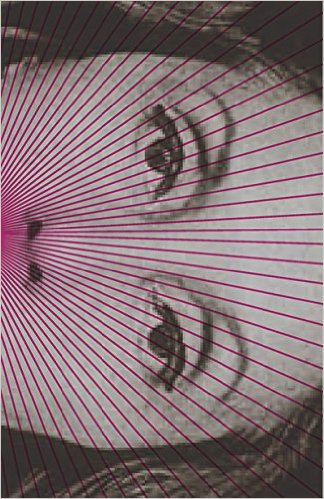
Reading Clarice Lispector: Embracing Her Unique Experimental Style
In the vast landscape of global literature, few voices resonate with the singular, enigmatic power of Clarice Lispector. Born in a tiny Ukrainian town in 1920, a Jewish refugee who found a new home and a legendary status in Brazil, Lispector carved out a literary path unlike any other. Her work, a profound exploration of abstract concepts and the human interior, has captivated readers worldwide, earning her a reputation as a modernist pioneer.
For many English-speaking readers, the name Clarice Lispector might be familiar, perhaps even celebrated, yet the actual act of diving into her oeuvre remains an uncrossed threshold. If you've felt that nagging sense of literary guilt, rest assured, you're not alone. Her prolific output and intensely personal, often experimental, style can indeed feel daunting. But fear not; embarking on a journey with Clarice Lispector is a deeply rewarding experience that promises to shift your perception of literature itself. This article aims to demystify her genius and provide a clear pathway into her extraordinary world.
The Enigma of Clarice Lispector: A Life Woven into Her Art
Clarice Lispector's life story is as compelling and complex as her prose. Arriving in Brazil as a penniless refugee with her family, she quickly rose to become one of the country's most revered and mythic literary figures. Despite her profound connection to Brazil, some observed that her work didn't "feel" conventionally Brazilian, much like her accent lingered, a whisper of her origins. This inherent sense of being both deeply rooted and slightly apart infused her writing with a unique perspective.
Lispector herself was a tapestry of contradictions. She was capable of profound lucidity, yet often described her writing process as intuitive, emotionally soaked, and "entirely unconscious," far removed from the logical discipline one might expect from a law student. She presented herself as wild and passionate, yet equally shy and reclusive; a loving mother, yet an artist fiercely set apart. Her own admissions of insecurity, indecisiveness, and angst, juxtaposed with moments of tender love and startling luminosity, paint a portrait of an artist constantly grappling with the essence of existence.
This internal wrestling is precisely what makes her work so potent. Lispector's literature isn't just observed; it's *felt*. It's a testament to the raw, unvarnished human experience, a bold confrontation with the ephemeral and often uncomfortable truths of being. Her refusal to be neatly categorized, both as a person and as a writer, is perhaps her greatest strength, inviting readers into a space where understanding is less about definitive answers and more about the brave act of questioning.
Deciphering Clarice Lispector's Experimental Literary Landscape
At the heart of Clarice Lispector's enduring legacy lies her groundbreaking experimental style. A stalwart of modernist literature, she ventured into uncharted territory, exploring abstract concepts such as time, perception, subjectivity, and the nuanced spectrum of human feelings. Unlike many authors who prioritize intricate plots or external events, Lispector delved deep into the interior worlds of her characters, often making the internal monologue the primary driver of her narratives.
Her literary toolkit was rich and innovative, employing techniques that broke from traditional narrative structures:
- Stream-of-Consciousness Narration: This method mirrors the unstructured flow of thoughts, feelings, and memories in the human mind, creating an intimate, almost voyeuristic, experience for the reader. It's less about what happens and more about what it feels like to be alive.
- Interior Monologues: Characters engage in prolonged, unfiltered self-reflection, dissecting their inner lives with intense scrutiny. This allows Lispector to explore philosophical questions and existential dilemmas directly through the character's consciousness.
- Fragmented Prose: Her sentences often defy conventional grammar and syntax, creating a rhythm and cadence that is deeply lyrical yet intentionally disruptive. This fragmentation reflects the disorienting, non-linear nature of thought and emotion.
- Lyrical Language: Despite the fragmentation, her prose is imbued with a poetic sensibility. Lispector's choice of words is precise, evocative, and often startlingly beautiful, transforming mundane observations into profound insights.
It's this unique combination of techniques that can earn Clarice Lispector a reputation as a "difficult" writer. Her work doesn't conform to typical plot structures, and readers accustomed to clear narratives might initially feel adrift. However, this is precisely where her genius lies. Lispector challenges us to read differently – to slow down, to let the words and ideas resonate, to engage with literature as an experience rather than merely a story to be consumed. The reward is a captivating and intensely intimate reading experience that often leaves a lasting imprint on the soul.
Your Gateway to Clarice Lispector: Where to Begin
Navigating the extensive bibliography of a literary giant like Clarice Lispector can certainly feel overwhelming. The good news is that there's a recommended path designed to ease you into her distinctive style without throwing you into the deepest end first. Think of your initial reads as a "litmus test," offering a taste of her profound artistry while remaining relatively accessible.
For those brand-new to her work, we highly recommend starting with her shorter pieces:
- The Hour of the Star (1977): Widely considered her shortest novel, this is often cited as the perfect entry point. It's concise, poignant, and embodies many of her key themes and stylistic quirks. The story of Macabéa, a struggling typist in Rio de Janeiro, serves as a powerful yet accessible introduction to Lispector's exploration of alienation, identity, and the existential weight of a seemingly ordinary life. Its brevity makes it less intimidating, allowing you to immerse yourself in her prose without a lengthy commitment, and it truly provides a sense of her unique voice.
- The Complete Stories (published posthumously, with various English translations): This collection is an excellent way to sample the breadth of Lispector's talent. With a variety of narratives, you can experience different facets of her style and themes without committing to a full-length novel. Each story is a microcosm of her genius, offering standalone insights that can be savored individually. It's like a literary tasting menu, helping you discover which flavors of Lispector resonate most deeply with you.
Once you've familiarized yourself with her core style and themes through these more accessible works, you'll be better equipped to tackle her more experimental and challenging novels. For instance, while Clarice Lispector: Your Guide to Starting Her Experimental Books might suggest saving The Passion According to G.H., it's essential to understand why. Widely considered one of her masterpieces, its unique, looping structure, dense lyrical prose, and profound existential questioning demand a reader already attuned to her frequency. It's an unforgettable journey into the dissolution of self, but one best undertaken once you've built a foundational understanding of her literary world.
Embracing the Challenge: Tips for Reading Clarice Lispector
Reading Clarice Lispector is less about following a conventional plot and more about experiencing a shift in perception. To truly appreciate her unique experimental style, it helps to adjust your reading approach. Here are some practical tips to enhance your journey:
- Slow Down and Savor: This is perhaps the most crucial advice. Lispector's prose is meant to be absorbed, not rushed. Allow yourself to linger on sentences, to contemplate the imagery, and to feel the emotional undertow. Her words often work on a subconscious level, revealing layers of meaning upon closer inspection.
- Don't Seek a Linear Narrative: Let go of expectations for a clear beginning, middle, and end, or for characters with typical arcs. Lispector's focus is on the interior, on the moment-to-moment experience of consciousness. Embrace the fluidity and the apparent lack of traditional "action."
- Embrace Ambiguity: Not every question will be answered, and not every emotion will be neatly categorized. Lispector thrives in the spaces between understanding, in the inarticulable. Allowing for this ambiguity is key to appreciating her depth.
- Read Actively: Engage with the text. Ask yourself what a particular image evokes, how a character's internal monologue makes you feel, or what philosophical question she might be posing. Her work often invites a dialogue with the reader.
- Re-read Passages (or Entire Works): Lispector's novels and stories often yield new insights upon subsequent readings. What might have seemed opaque initially can become clearer, or take on new meanings, once you're more accustomed to her style.
- Journal Your Thoughts: Keeping a reading journal can be incredibly helpful. Jot down striking lines, personal reflections, or questions that arise. This can help you process the abstract concepts and emotional impact of her work.
- Discuss Her Work: Connecting with other readers or joining a book club focused on Lispector can illuminate different interpretations and deepen your understanding. Her work is fertile ground for rich discussions.
By adopting these strategies, you'll find that the "difficulty" often attributed to Lispector transforms into a profound, personal engagement. Her writing is not merely to be understood intellectually, but to be felt, absorbed, and wrestled with. As Unraveling Clarice Lispector: Brazil's Enigmatic Literary Voice aptly suggests, she clarifies "subtlety that I have sensed but found too ephemeral to articulate." This ability to articulate the inarticulable is her enduring gift.
Embarking on a literary journey with Clarice Lispector is to embrace a unique and transformative reading experience. Her experimental style, though initially challenging, offers unparalleled insights into the human psyche, existential ponderings, and the raw beauty of language. From her refugee beginnings to her status as a global literary icon, Lispector’s genius continues to resonate, inviting readers to slow down, look inward, and confront the beautiful, often messy, truths of existence. So, cast aside any apprehension, pick up one of her foundational works, and allow yourself to be immersed in the extraordinary world of Clarice Lispector – a journey that promises to enrich your understanding of literature and, perhaps, of yourself.